logo
Главная страница

Блог О What Is a Class D Amplifier Board? A Complete Beginner's Guide to Design, Benefits, and Applications

Сертификация
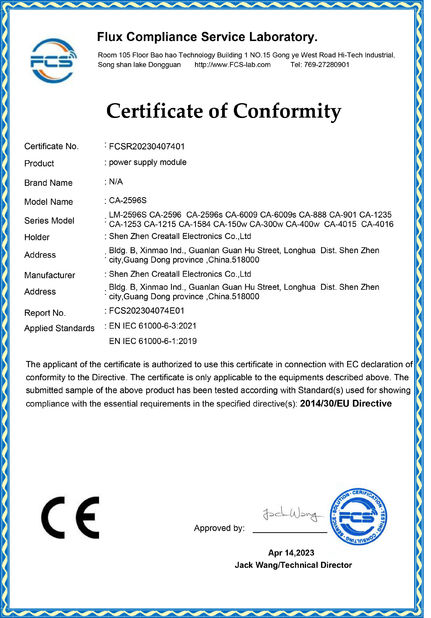
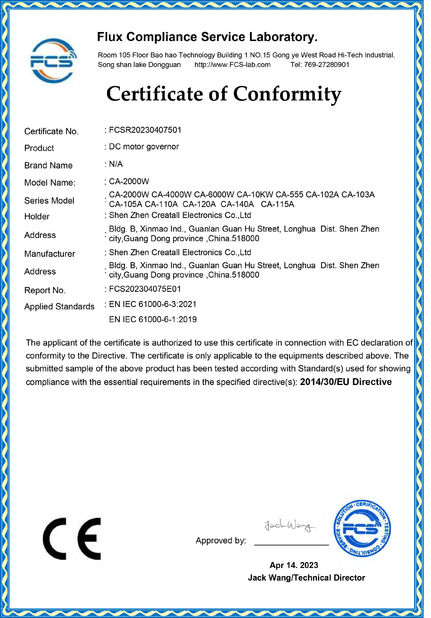
Китай Shenzhen Creatall Electronics Co., Ltd. Сертификаты
Просмотрения клиента
Большие продукты от хорошего поставщика, товары работают славно ⭐⭐⭐⭐⭐ я буду приказывать снова для того чтобы возблагодарить вас!

—— Подарок Adonsi

Я получил мой пакет хорошо в срок все было сделано над доской продавец был очень полезен. Качество продукта очень хорошо. Я не смущаюсь делать дело с ними снова.

—— Так или иначе Violah

связь n идеального времени идеальная на информации о продукте идеальной дальше после поддержки продаж улучшите на грузя времени

—— Ismail Khamis

Настолько хороший качественный модуль обеспечен продавцом. И легкий для того чтобы связывать очень быстрый отвечать также.

—— Sayanik Mandal

Какое хорошее обслуживание от creatAll, очень ответственного! Хорошая работа! Славный для того чтобы иметь дело с u

—— Erick Setiawan

Оставьте нам сообщение
компания Блог
What Is a Class D Amplifier Board? A Complete Beginner's Guide to Design, Benefits, and Applications
последние новости компании о What Is a Class D Amplifier Board? A Complete Beginner's Guide to Design, Benefits, and Applications

What Exactly Is a Class D Amplifier Board?

A Class D amplifier board is a compact electronic module that amplifies an audio signal using switching technology rather than traditional linear circuitry. Instead of leaving its output devices in a continuously conducting state, a Class D design rapidly switches them on and off thousands of times per second. Because the transistors spend most of their time either fully on or fully off, they waste very little energy as heat. That efficiency is the defining trait of Class D and the reason these boards are now found everywhere from portable speakers to car audio and professional subwoofers.

How a Class D Amplifier Board Works

  1. Input and modulation. The incoming analog audio is compared with a high-frequency triangle wave to create a pulse-width-modulated (PWM) signal.
  2. Switching stage. Power MOSFETs switch on and off according to the PWM width, chopping the supply rail into high-frequency pulses.
  3. Filtering. An output low-pass filter removes the switching frequency and reconstructs the original audio waveform.
  4. Feedback. Most modern designs feed part of the output back to correct errors and reduce distortion.

In essence, the board encodes the audio as the "duty cycle" of a fast pulse train, then smooths it back into sound at the speaker terminals.

Class D vs. Class A and Class AB: A Quick Comparison

Feature Class A / AB Class D
Efficiency Low to moderate (30–70%) Very high (80–95%)
Heat output High — large heatsinks needed Low — compact cooling is enough
Size & weight Bulky and heavy Small and lightweight
Power from a given supply Limited Very high
Typical use Hi-fi purist amps Portable, car, subwoofer, PA

Key Benefits of Class D Amplifier Boards

  • High efficiency. Less power is lost as heat, so batteries last longer and designs stay cool.
  • Compact size. Boards can be built small enough to fit inside active speakers and handheld devices.
  • Strong power density. High output from a modest supply voltage makes them ideal for subwoofers.
  • Lower cost at scale. Integrated Class D chips simplify assembly and reduce component count.
  • Good modern sound. Today's designs rival linear amplifiers for most listening purposes.

Common Applications

Class D boards power Bluetooth and portable speakers, soundbars, car audio amplifiers, active studio monitors, subwoofer plate amps, and many DIY audio projects. Their combination of efficiency and small footprint makes them the default choice wherever space or battery life matters.

What Beginners Should Know Before Buying

  • Match the power supply. Check the required voltage and current; under-powering a board causes distortion and shutdowns.
  • Check the impedance rating. Stay within the supported speaker impedance range (commonly 2–8 ohm).
  • Plan the cooling. Even efficient boards need some airflow at high power.
  • Look at the filter and feedback design. Better filtering and feedback mean cleaner sound.
  • Verify the input type. Confirm whether the board accepts analog, Bluetooth, or digital inputs before wiring it in.

Frequently Asked Questions

Does Class D sound worse than Class AB? Early designs did, but modern Class D boards are highly accurate and hard to distinguish in normal use.

Why does my Class D board still get warm? Efficiency is high but not perfect; a little warmth is normal, while excessive heat signals a supply or load problem.

Can I use a Class D board for a subwoofer? Yes—low frequencies are where Class D excels, thanks to its high power density and efficiency.

Время Pub : 2026-09-23 09:59:08 >> список блога
Контактная информация
Shenzhen Creatall Electronics Co., Ltd.

Контактное лицо: Miss. Alva Cheng

Телефон: +86-13827494627

Факс: 86-755-85270755

Оставьте вашу заявку (0 / 3000)